 Image 1 of 1
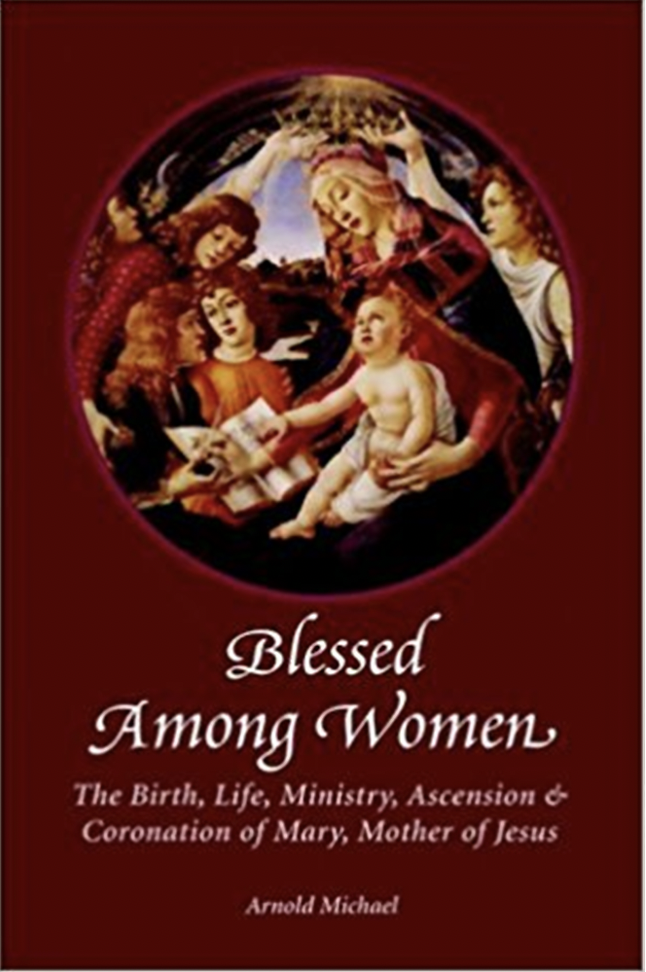
A richly imagined portrait of the woman at the heart of the Christian story, Blessed Among Women traces Mary's life from her birth into a noble lineage of the House of David through her role as mother, mentor, and spiritual guide to Jesus and his apostles, all the way to her ascension and coronation.
Drawing on an unusual source — an oral tradition said to have been preserved for generations within the House of David and shared with the author through a chance encounter on a California beach — Arnold Michael reimagines the Holy Family not as figures of poverty, but as people of nobility, culture, and quiet spiritual authority. Joseph appears as a prince of the Carpenter Tribe; Mary's father as a Persian prince; and Mary herself as a woman raised within the Temple who would go on to shape the faith of those closest to Jesus.
Part devotional narrative, part historical reimagining, the book unfolds with the intimacy of a novel and the reverence of scripture, inviting readers to see Mary's story with fresh eyes. First published in 1948 and revised across multiple editions, it has been passed from reader to reader for decades as a meditation on meekness, unconditional love, and the divine feminine.
A richly imagined portrait of the woman at the heart of the Christian story, Blessed Among Women traces Mary's life from her birth into a noble lineage of the House of David through her role as mother, mentor, and spiritual guide to Jesus and his apostles, all the way to her ascension and coronation.
Drawing on an unusual source — an oral tradition said to have been preserved for generations within the House of David and shared with the author through a chance encounter on a California beach — Arnold Michael reimagines the Holy Family not as figures of poverty, but as people of nobility, culture, and quiet spiritual authority. Joseph appears as a prince of the Carpenter Tribe; Mary's father as a Persian prince; and Mary herself as a woman raised within the Temple who would go on to shape the faith of those closest to Jesus.
Part devotional narrative, part historical reimagining, the book unfolds with the intimacy of a novel and the reverence of scripture, inviting readers to see Mary's story with fresh eyes. First published in 1948 and revised across multiple editions, it has been passed from reader to reader for decades as a meditation on meekness, unconditional love, and the divine feminine.